

Understanding Battery and Alternator Warranties
What your warranty covers, how long it lasts, and what voids it. We break down the coverage details so there's no confusion later.
Why Warranty Details Matter
When you get a new battery or alternator, the warranty isn't just paperwork. It's your safety net. But here's the thing — not all warranties are created equal. Some cover everything. Others have strict limitations. The difference between what you think you're covered for and what you're actually covered for can cost you hundreds.
Most people don't read the fine print until something goes wrong. By then it's too late. We're breaking down exactly what's included, what's excluded, and how to avoid accidentally voiding your coverage.
Key Coverage Points
- Manufacturer vs. dealer warranties differ significantly
- Prorated warranties mean less coverage as time passes
- Installation conditions affect your coverage
- Climate and driving habits can void warranties
Battery Warranty Types
Battery warranties typically come in two flavors. The first is a "free replacement" period — usually 12 to 24 months depending on the brand. If your battery fails during this time, they replace it at no cost. Simple.
Then comes the prorated period. Let's say you've got a 60-month total warranty. After the first 24 months of free coverage, you enter the prorated zone. Your battery fails at month 40? The manufacturer calculates the battery's expected lifespan and charges you a percentage based on how much time's already passed. It's not free, but it's cheaper than buying new.
We've seen batteries fail at month 25 and customers shocked to learn they're paying 30-40% of the replacement cost themselves. That's the prorated part kicking in. The warranty's still active, but you're splitting the cost.


What Voids Your Battery Warranty
This is where people get tripped up. You've got a valid warranty but one mistake and it's gone. Most manufacturers won't cover your battery if you've had the terminals disconnected improperly, exposed the battery to extreme heat, or used a non-approved charger.
Corrosion is another common one. If you live somewhere salty or humid and don't maintain your battery terminals, corrosion builds up. The manufacturer says that's on you — they'll void the warranty. Same goes for physical damage. Drop the battery or crack the case? That's user error, not a defect.
The big one nobody expects: using the wrong battery size or type for your vehicle. Installing a battery with different specifications than what your car requires can void coverage, even if the battery itself works. Installation method matters too. DIY installation usually doesn't void the warranty, but using an unqualified installer might.
Important Disclaimer
This guide provides general information about battery and alternator warranties. Warranty terms vary significantly by manufacturer and region. Always review your specific warranty document before making assumptions about coverage. Contact your battery retailer or manufacturer directly if you have questions about whether your situation qualifies for coverage. This information is educational and not a substitute for your actual warranty agreement.
Alternator Warranties Explained
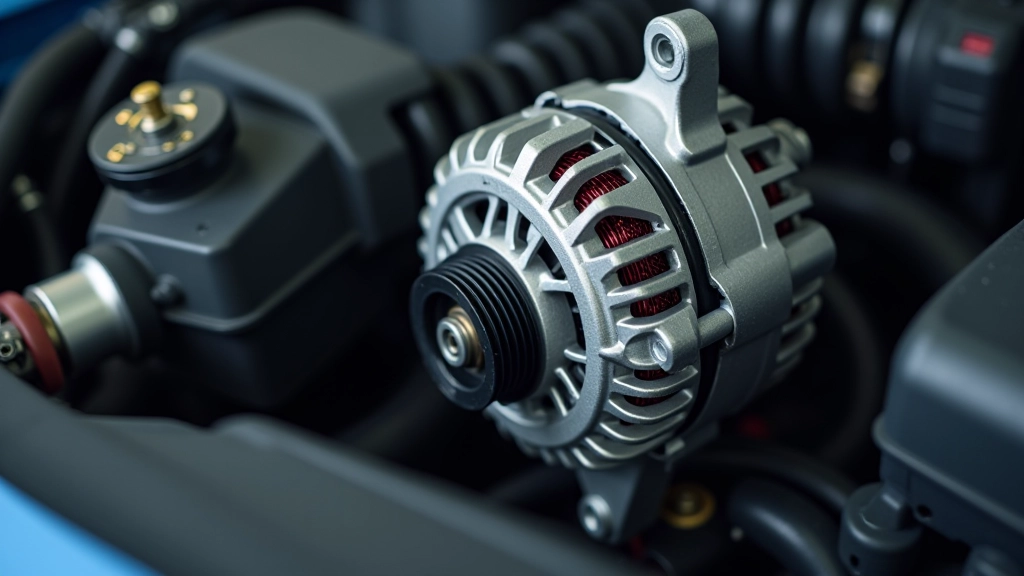
Alternators typically come with shorter warranties than batteries — usually 12 to 36 months depending on the manufacturer. Most don't have a prorated period at all. It's either covered or it's not.
Here's the difference: if your alternator fails at month 13 and you've got a 24-month warranty, you're getting a replacement. No percentage calculations, no "you owe half." It's straightforward. But once that warranty window closes, you're paying full replacement cost plus installation.
Alternator warranties get voided in similar ways to batteries — improper installation, electrical damage from accessories, or using non-OEM parts. We've also seen warranties void when someone installs aftermarket audio systems without proper electrical upgrades. The alternator fails because the electrical system was overloaded, and the manufacturer won't cover it.

How to Protect Your Warranty
Keep your receipt. Seriously. That's your proof of purchase and the start date of your warranty. Dealers and manufacturers check this first. No receipt, no warranty claim.
Get professional installation. DIY is usually allowed, but having a certified technician do it creates documentation. If something goes wrong, you've got proof that installation was done properly. Keep that invoice too.
Maintain your vehicle. Regular electrical system checks prevent damage that could void your warranty. Corroded terminals? Clean them. Loose battery connections? Tighten them. These simple maintenance steps keep your coverage active. Also, don't add heavy electrical accessories without upgrading your alternator. That's one of the easiest ways to void alternator warranties.
What It All Comes Down To
Warranties are designed to protect you from defects. They're not designed to cover neglect or misuse. The difference between having coverage and losing it often comes down to one thing: reading the fine print before something fails.
Battery warranties usually give you 12-24 months free, then switch to prorated coverage. Alternator warranties are shorter but typically all-or-nothing. Both can be voided by improper installation, corrosion, or electrical damage. Keep your receipts, get professional installation, and maintain your vehicle's electrical system. Do that, and you'll have the coverage you think you have when you need it.
Still have questions about your specific warranty? Don't guess. Contact the manufacturer or retailer directly. A five-minute conversation now beats finding out your warranty's void when your battery fails.