
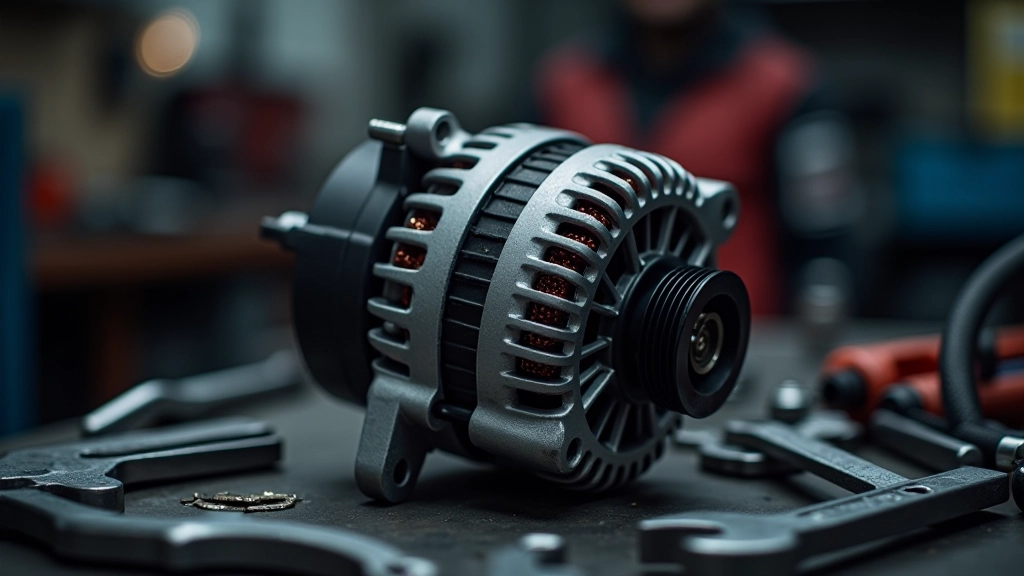
Why Alternators Fail
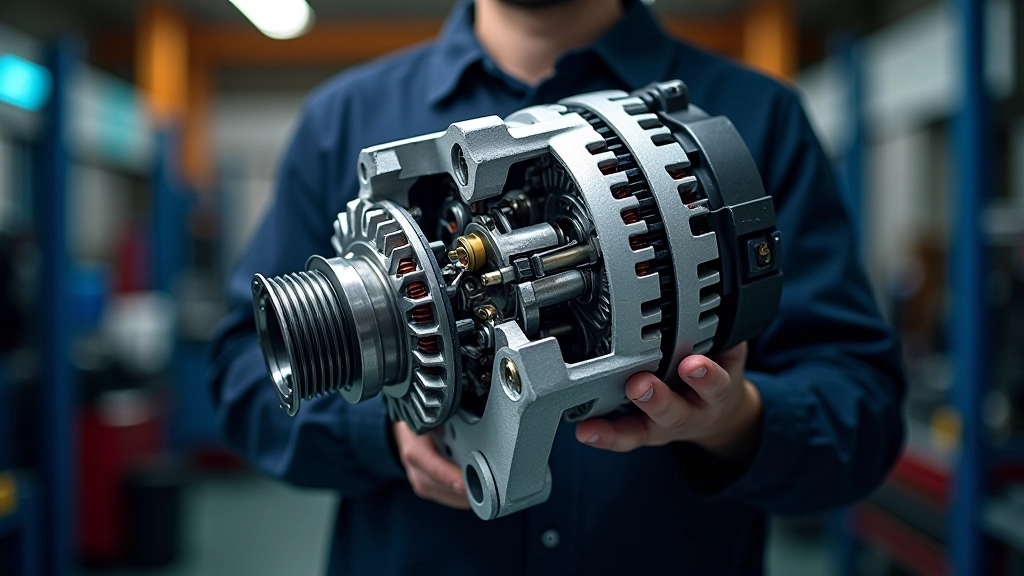
Your alternator's job is straightforward — it charges the battery while your engine runs. But like any hardworking component, it can wear out. The most common reason? Bearing failure. The bearings inside spin at high speeds, and when they wear down, the whole unit starts to wobble and fail.
Heat's another killer. Alternators generate serious warmth, especially on hot days or during heavy driving. If cooling isn't adequate — maybe the fan belt's slipping or air isn't flowing right — internal temperatures spike. This degrades the diodes and windings faster than they should.
Voltage regulator issues cause plenty of failures too. This component controls how much charge goes into your battery. When it fails, you get either too much voltage (frying electronics) or too little (battery won't charge). Either way, you're headed for trouble.
Early Warning Signs You Can't Miss
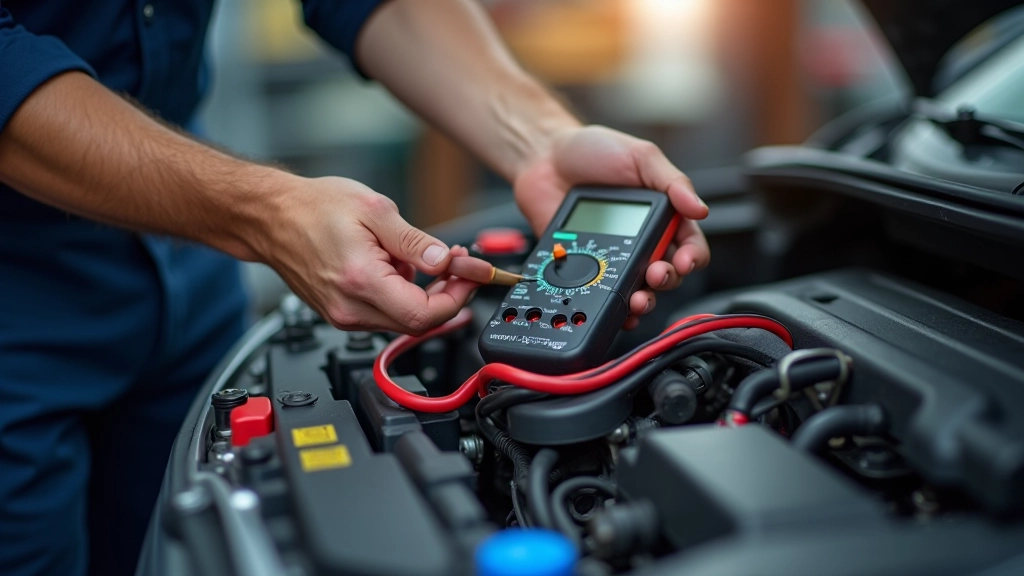
The battery warning light on your dashboard? That's your first clue. It illuminates when the charging system isn't producing enough voltage. Don't ignore it thinking it'll go away — it won't.
Listen for whining or grinding noises. A failing alternator often makes a high-pitched whine that gets louder as you accelerate. Grinding usually means bearing trouble — the rotor's rubbing inside. You've probably got days before complete failure.
Dim headlights and interior lights are dead giveaways. Your alternator's not keeping up with the electrical demand. Dashboard gauges flickering, radio cutting in and out, or power windows moving slowly? Same problem — insufficient charging.
Burnt smell coming from under the hood suggests overheating. That smell's usually from wire insulation or internal components breaking down from excessive heat.
Important Information
This article provides educational information about alternator function and common failure patterns. It's not a substitute for professional diagnosis. If you experience charging system issues, have a qualified technician test your alternator with proper equipment. Electrical system problems require accurate diagnosis to prevent damage to your vehicle's electronics.
Prevention: Maintenance That Actually Works
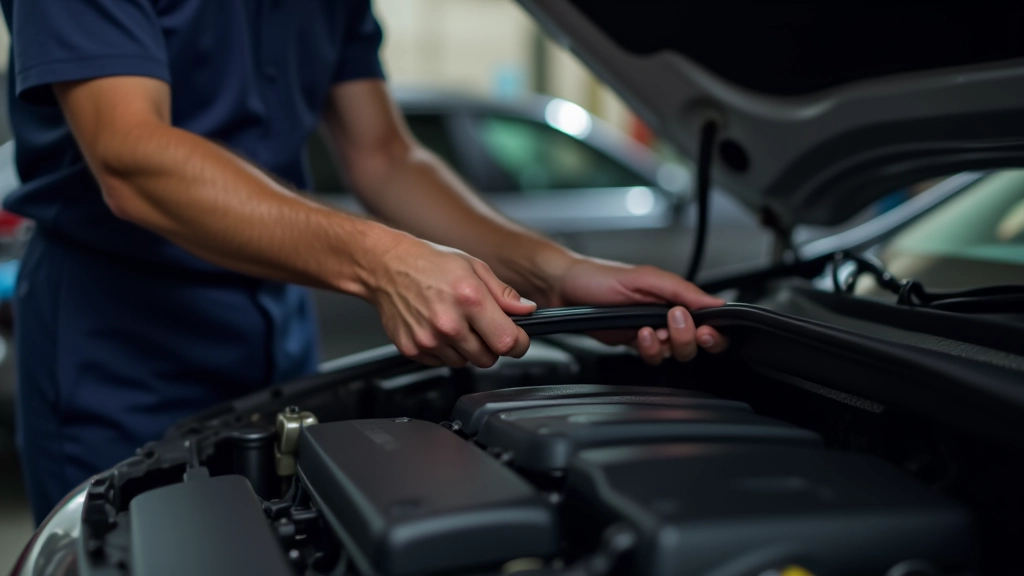
Preventing alternator failure starts with belt maintenance. Your serpentine belt drives the alternator. A worn, cracked, or glazed belt can't grip the pulley properly. You'll see slippage and reduced charging. Most belts last 60,000 to 100,000 miles, but check yours every oil change. Look for cracks, fraying edges, or a shiny surface.
Keep the cooling system healthy. Your alternator relies on airflow to shed heat. A clogged radiator, failed cooling fan, or poor underhood ventilation lets temperatures climb. Regular coolant flushes and keeping the radiator clean help your alternator stay cool.
Don't overload the electrical system unnecessarily. Running high-draw accessories like winches, powerful stereos, or auxiliary lighting stresses the alternator. If you add aftermarket electronics, upgrade to a higher-output alternator designed for the extra load.
Battery condition matters too. A weak or failing battery forces your alternator to work harder to keep it charged. If your battery's over 3-4 years old and not holding a charge, replace it before it damages the alternator.
When Replacement Is Your Only Option
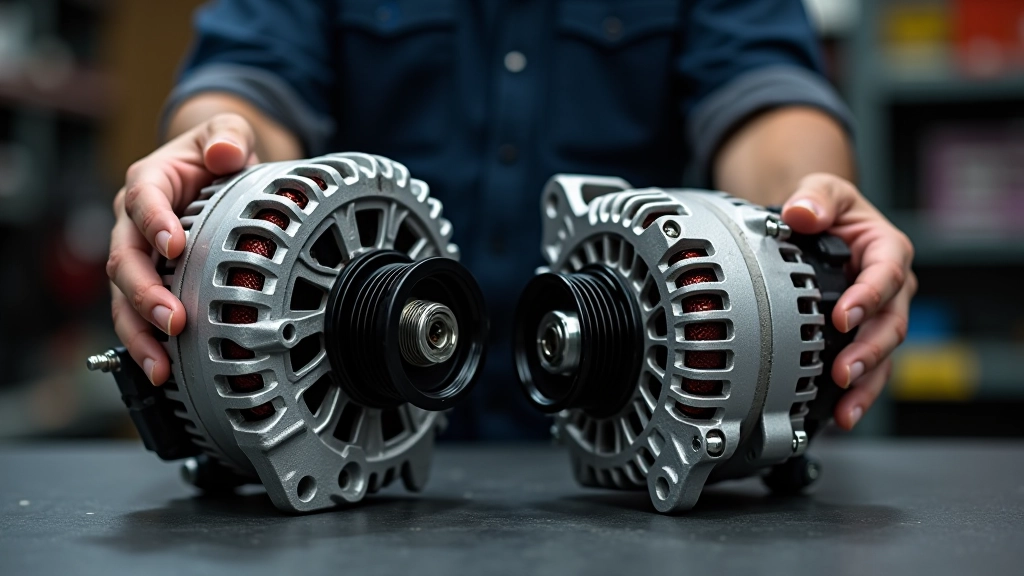
Sometimes prevention isn't enough. If your alternator's truly failed, you're looking at replacement. The good news? Modern alternators are reliable once installed. Bad news? Depending on your vehicle, the labor can be significant.
On many cars, the alternator sits in an accessible spot — top of the engine, easy to reach. On others, you're removing bumpers, wheels, or other components just to access it. This is why shop labor costs vary so wildly.
Aftermarket alternators cost less than OEM units but might have shorter warranties. OEM alternators cost more but typically come with better warranties and guaranteed compatibility. Consider the long-term value, not just the upfront price.
Don't delay replacement if you've confirmed failure. Driving with a dead alternator drains your battery quickly. You'll be stranded — and it's never convenient.
Keep Your Charging System Healthy
Alternator failure doesn't happen overnight. You get warning signs — sometimes subtle, sometimes obvious. The key is paying attention. That dashboard light, that noise, those dim headlights — they're your alternator asking for help.
Simple maintenance prevents most failures. Keep your belt in good shape. Manage your battery's age. Don't ignore warning signs. When you catch problems early, repairs stay affordable and you avoid getting stranded at the worst possible moment.
Your alternator works constantly while you drive. It deserves attention. A few minutes of preventive maintenance every season beats dealing with a dead battery on a cold morning or a long roadside wait for a tow truck.