
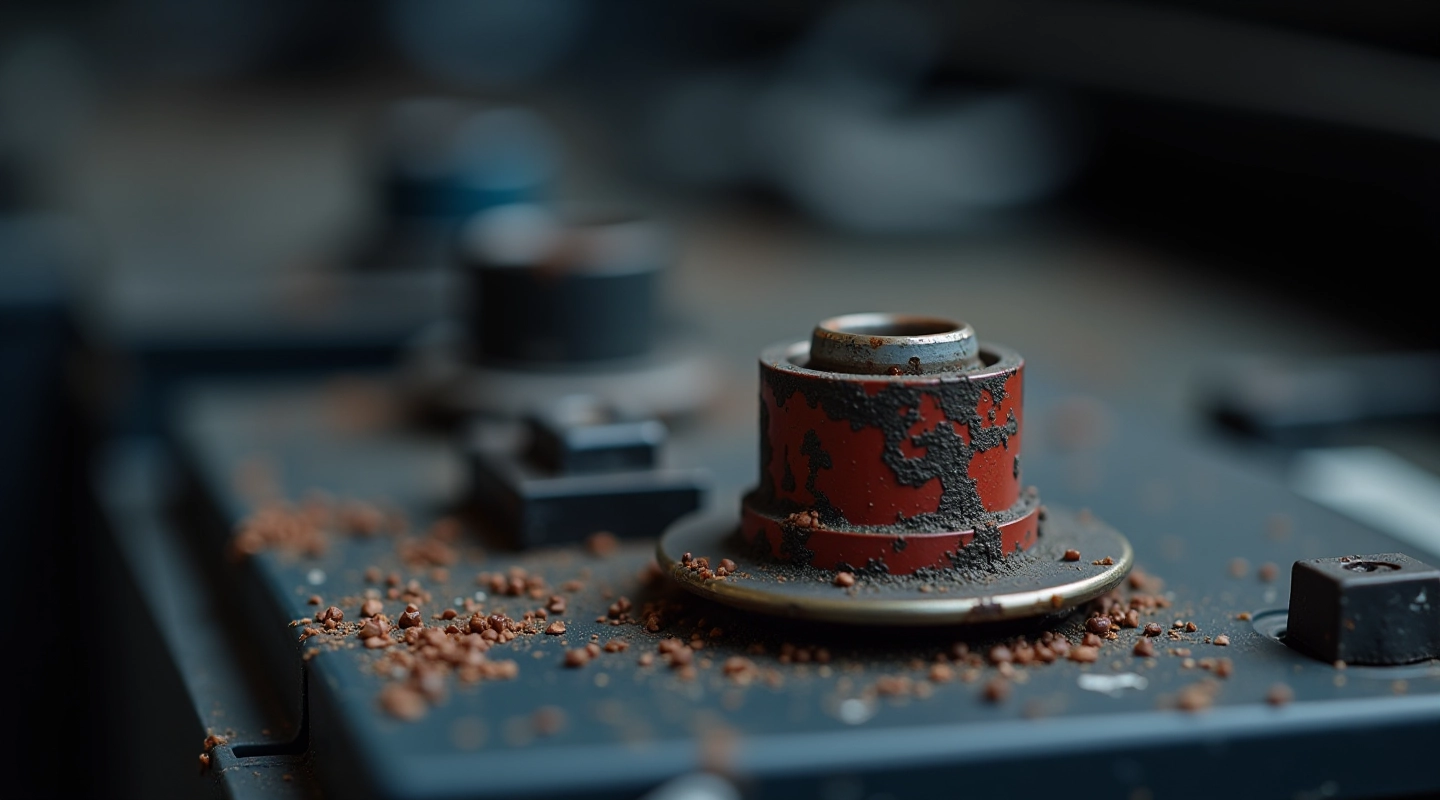
Your car's battery is one of those things you don't think about—until it fails. A dead battery can leave you stranded at the worst possible time. The good news? Your battery usually gives you warning signs before it completely gives up. We're going to walk you through the main indicators that it's time for a replacement.
Slow Engine Cranking
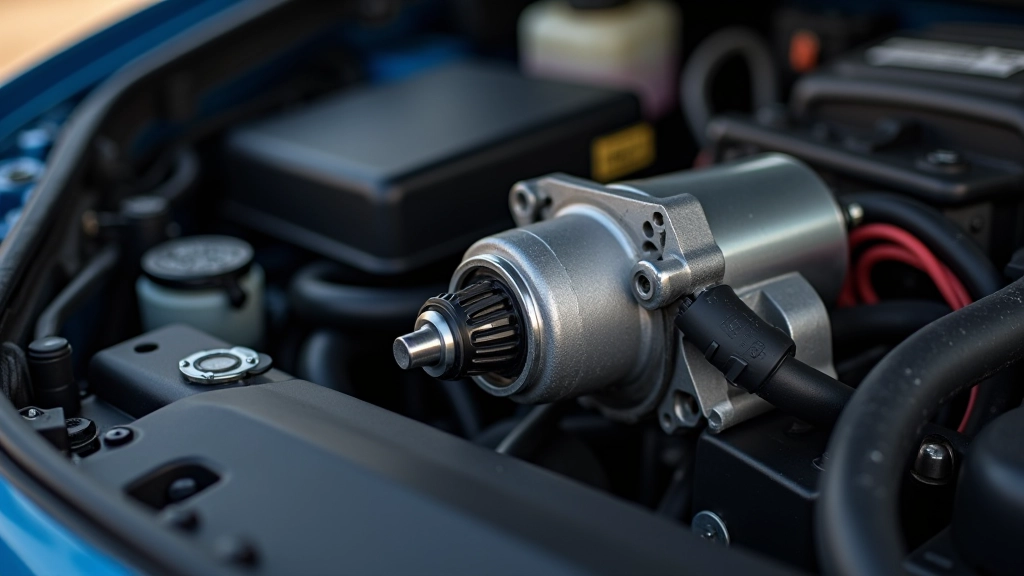
This is often the first sign you'll notice. When you turn the key, the engine turns over more slowly than usual. Instead of the quick spin you're used to, you'll hear a sluggish, grinding sound. It's like the battery is losing its grip.
What's happening here? Your battery's ability to deliver electrical current is fading. A healthy battery cranks your engine quickly and reliably. When it starts to age, that cranking power deteriorates. You might notice this is worse on cold mornings—cold reduces battery efficiency by 50% or more.
Don't ignore this sign. Slow cranking means your battery is working harder than it should. Once it starts, replacement isn't far behind.
Dim Headlights and Interior Lights
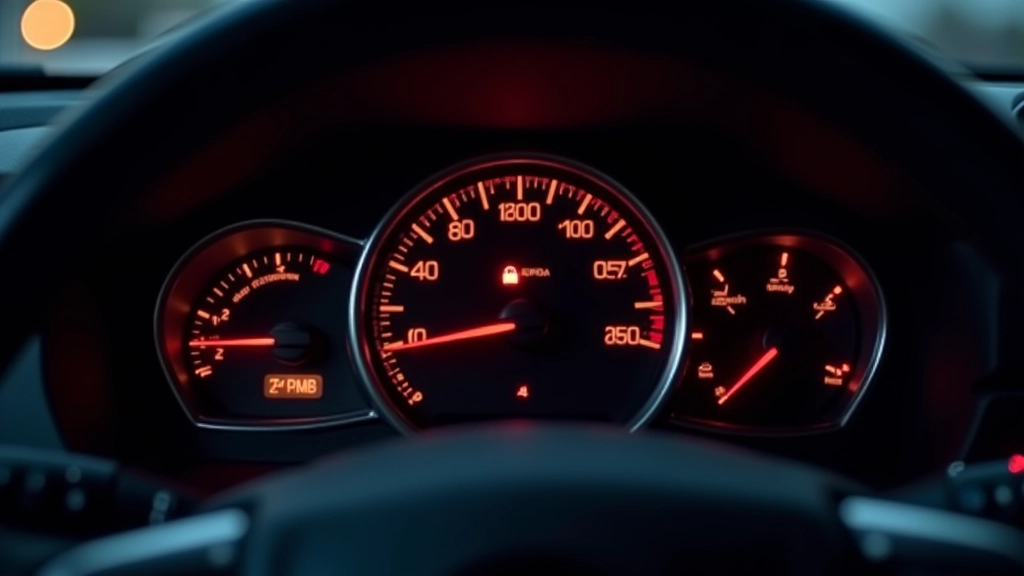
Your lights suddenly seem dimmer than normal—especially when you're idling at a red light. The headlights flicker or fade slightly. Interior dome lights and dashboard lights seem less bright. This is a direct signal that your battery isn't supplying enough power.
Why does this happen? Your headlights and interior lights draw significant power from the battery. When the battery weakens, it can't maintain that power output consistently. You'll notice it's worse when the engine is off or idling, since the alternator isn't generating power at that point.
If you're seeing dimming lights along with slow cranking, your battery replacement timeline just moved up. Both signs together mean you're running on borrowed time.
Important: This article provides informational guidance about recognizing battery wear. Battery replacement should be performed by qualified technicians. If you experience electrical issues, have your vehicle inspected by a professional to rule out alternator problems or other electrical faults that may cause similar symptoms.
Corrosion on Battery Terminals
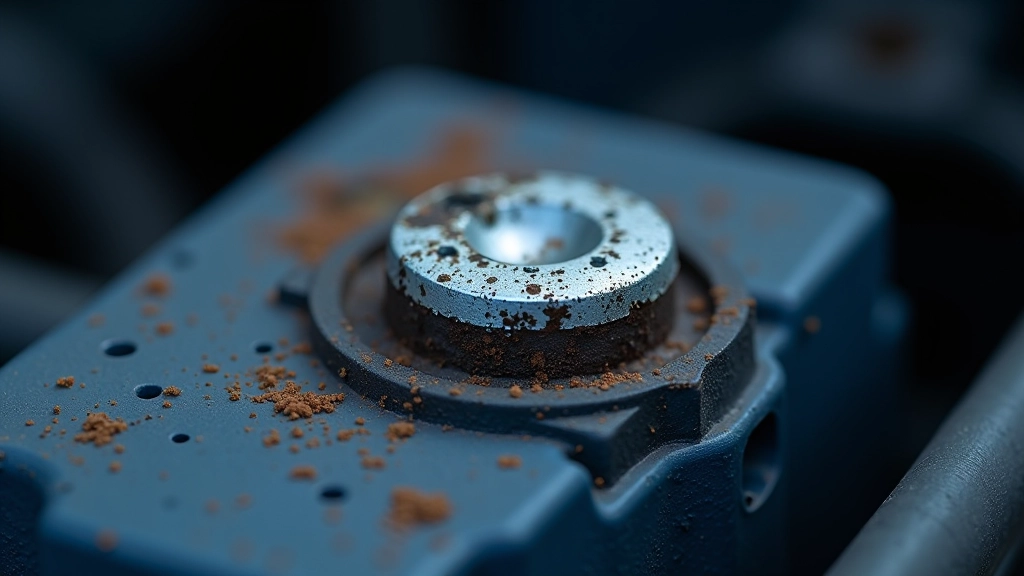
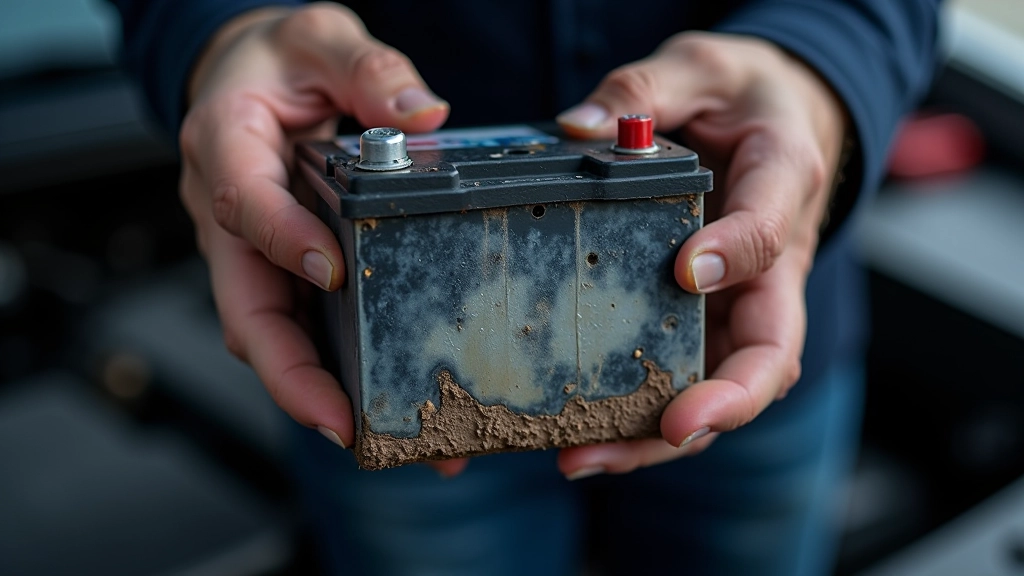
Pop open your hood and look at your battery terminals. Do you see a white, blue, or greenish crusty buildup around the metal connectors? That's corrosion, and it's a major problem. This corrosion blocks the electrical connection between your battery and the rest of your vehicle's electrical system.
Even if your battery itself is still fine, corrosion prevents proper power delivery. Your car won't crank properly. You'll get the same symptoms as a dying battery—slow starting, dim lights—but the actual issue is poor connection.
The tricky part? Corrosion can happen at any time, but it often signals that your battery is near the end. Batteries that leak acid cause corrosion. If you're seeing heavy buildup, replacement is probably in your near future anyway.
Swollen or Damaged Battery Case
Look at your battery's physical shape. Is the casing bulging out on the sides? Does it look warped or cracked? A swollen battery is a red alert. This happens when the battery overheats internally or when the chemical reaction inside goes wrong.
A swollen battery isn't just dying—it's actively dangerous. It can leak acid. It can fail suddenly without warning. If you see this, don't wait. Get it replaced immediately. Driving around with a damaged battery casing risks damage to other parts of your vehicle and potential safety hazards.
Physical damage like this usually appears after the battery has been in your car for several years. Most batteries last 3-5 years, and a swollen case is nature's way of saying "we're done here."
Clicking Noise When Starting
You turn the key and hear a rapid clicking sound—click-click-click-click—instead of the engine cranking. This clicking pattern is your battery sending distress signals. It means the battery doesn't have enough power to turn over the starter motor, but it still has just enough juice to trigger the solenoid repeatedly.
This is different from a grinding sound. Grinding usually means a starter problem. Clicking specifically points to battery weakness. The battery can still power your lights and accessories, but it can't deliver the sustained current needed to crank the engine.
Once you're hearing clicking, replacement is urgent. You might be able to jump-start the car today, but the battery won't hold that charge for long. Plan your replacement soon.
What to Do When You Notice These Signs
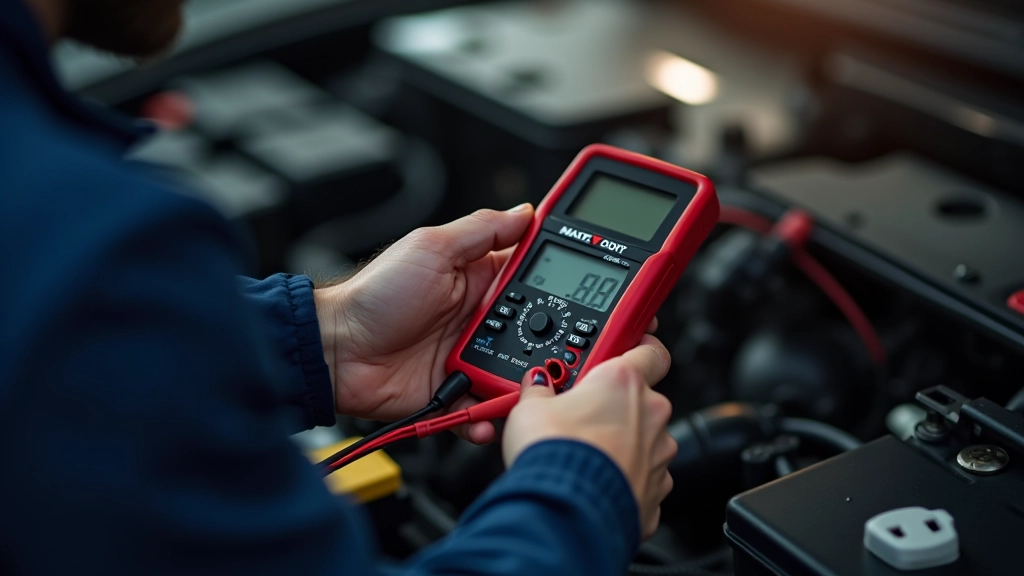
If you're seeing one or more of these warning signs, don't panic. You've got time to arrange a replacement before you're stuck. The best approach is to get your battery tested. A professional technician can measure your battery's voltage and cold cranking amps—the actual power output. This tells you whether replacement is needed now or if you've got another few months.
Battery testing is quick, usually free, and gives you solid information. You'll know exactly where you stand. Some signs—like a swollen case or heavy corrosion—mean you should replace it immediately. Other signs—like slightly slower cranking—might just mean your battery is aging normally and will last a few more months.
Don't ignore these warning signs. A dead battery at the wrong time costs way more than a planned replacement. You've got the knowledge now. Use it to stay ahead of battery failure.